
The no. 1 enemy of beekeepers
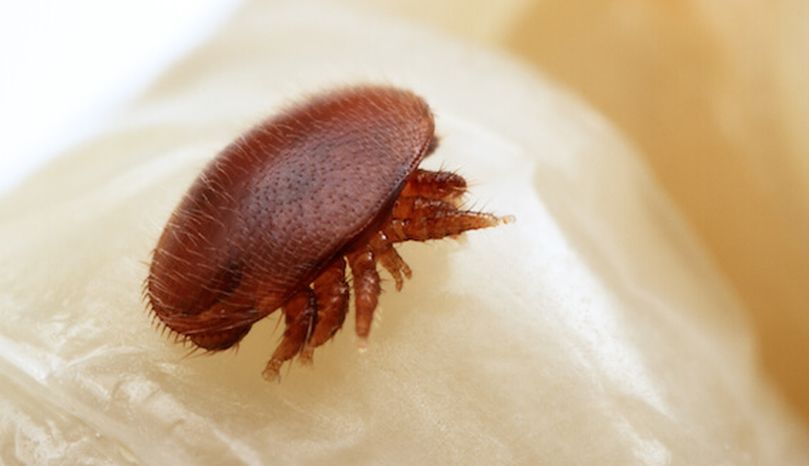
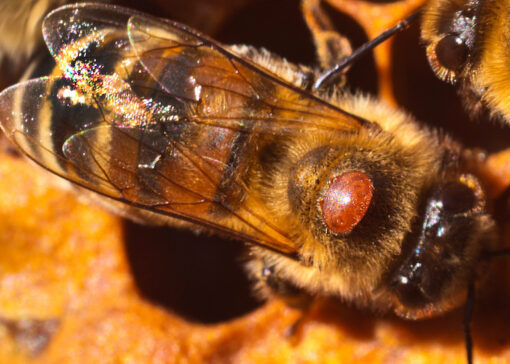
Varroa mite (Varroa destructor) is a parasitic mite that targets honeybees. It feeds on their fat bodies and hemolymph (the bee equivalent of blood), weakening their immune systems and making them more vulnerable todiseases and viruses. This pest invades hives, reproduces in brood cells, and severely impacts colonies. It is considered one of the major threats to beekeeping, causing significant losses of bees worldwide.
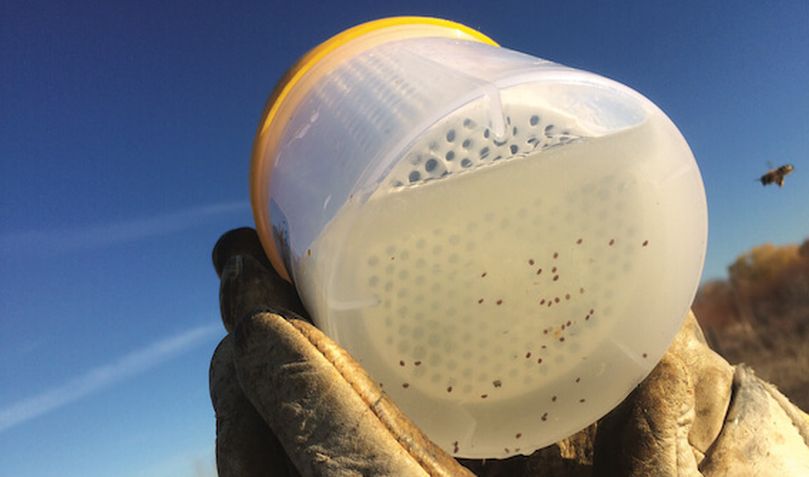
Infestation monitoring
Monitoring the infestation enables a quick assessment of the level of parasitism, allowing for action to be taken before the colony becomes too weakened and ensuring the selection of the appropriate treatment. By ensuring the health of the hives, beekeepers can maintain bee productivity and minimize the risk of colony mortality.
Treatments against varroa mite
Solutions against Varroa mite include treatments (veterinary medicines) and biotechnical methods (also called biomechanical methods). The goal is to control the infestation, prevent the development of Varroosis, and halt its spread to neighbouring hives and the overall beekeeping population.
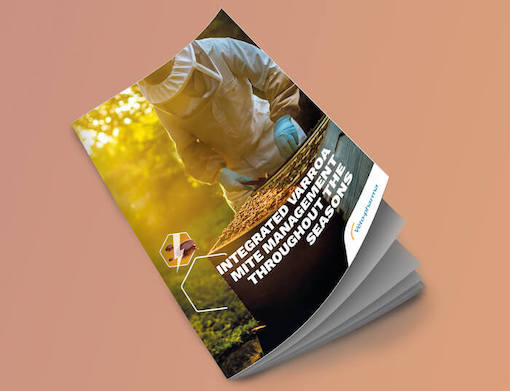
Our Downloadable Guides
Our Products Against Varroa Mite
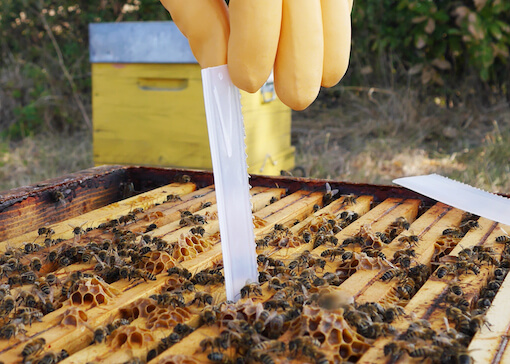
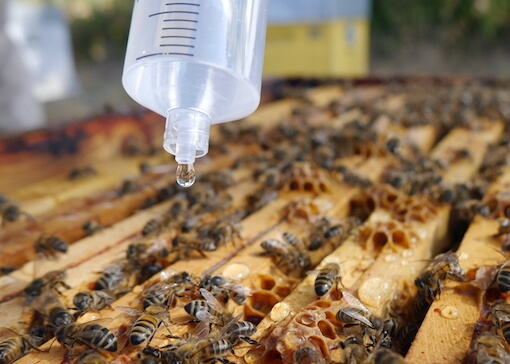
Oxybee is a veterinary medicine against Varroa, made from oxalic acid, glycerol, sucrose, and essential oils.
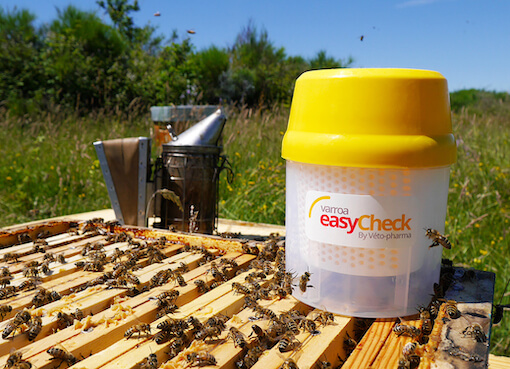
Varroa EasyCheck is a practical tool for easily monitoring Varroa infestation on adult bees.
To Go Further
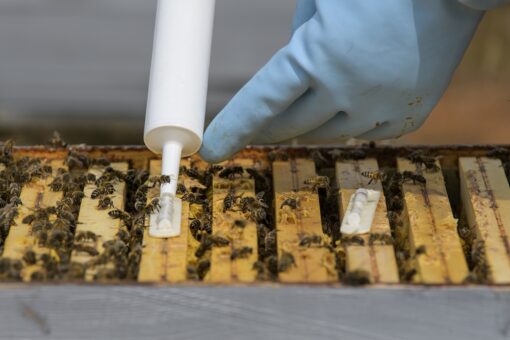
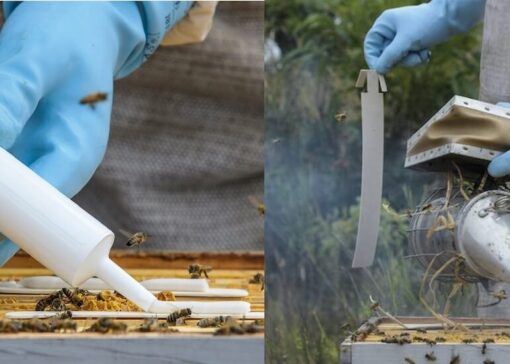
Apivar 2.0 & Amiflex now available in Canada
Apivar 2.0 and Amiflex are now registered and available in Canada through BeeMaid and Dancing Bee. Discover these two new varroa mite treatments.
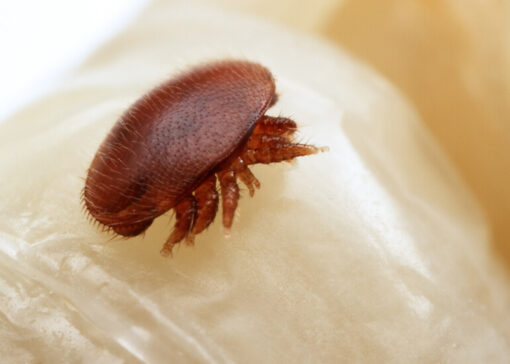
Varroa Control: Biology and Practical Cases to Better Protect Your Colonies
Varroa management: understand the biology of Varroa destructor to better detect and control it. Monitoring, mite counts, and integrated control strategies.
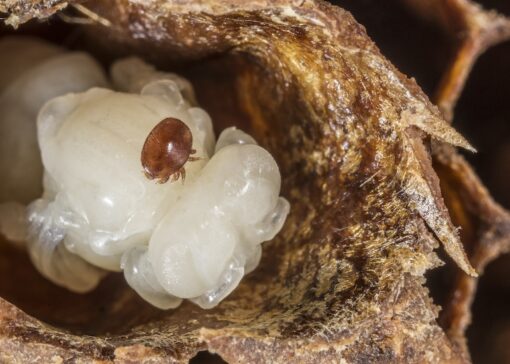
Strong colonies and varroa infestation: the hidden cost of high productivity
Strong colonies yield more honey but may also support Varroa growth through increased brood production, revealing a key colony trade-off.
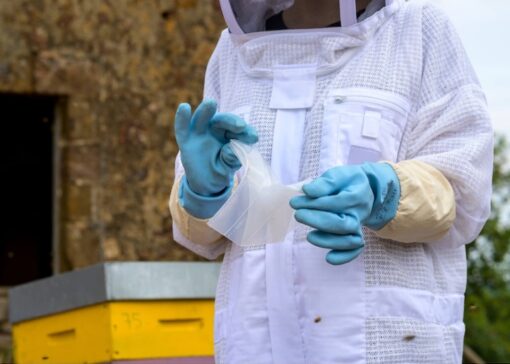
Varroa treatment: new Apivar® formats and new pre-cut design
Discover Apivar’s new formats and pre-cut strips for effective Varroa control. Same proven formula, improved practicality, available from 2026.